
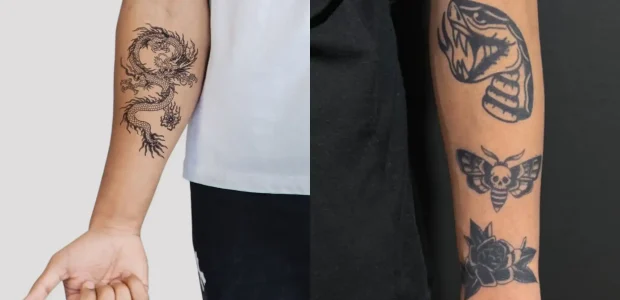

Temporary tattoos are skin-applied designs that fade in days or weeks, and the answer to “are temporary tattoos safe” depends on the type. As of October 6, 2026, FDA still reports reactions to some decal, henna and “black henna” products.
The main types are decal transfers, henna, “black henna” and newer plant-based stains. Check the label for an ingredient list and test a small area first, since reactions to ingredients like PPD are hard to predict.
This guide is general information, not medical advice. If you have a skin condition, known allergies or have reacted to a tattoo or hair dye before, ask a doctor or pharmacist before using any tattoo product. You can report a reaction to the FDA.
Are Temporary Tattoos Safe? What Reaction Reports Show
Temporary tattoos can cause skin reactions in some people. FDA has received reports of reactions to some decal, henna and “black henna” tattoos, and cosmetics must be safe when used as directed or in the customary way.
Apart from color additives, cosmetics need no FDA approval before they are sold, according to FDA’s temporary tattoo fact sheet, last updated in October 2024. A 2013 FDA Consumer Update, as reported by The Dermatologist, said reactions to black henna tattoos can appear right away or up to 2 or 3 weeks later. Risk differs by tattoo type, so the table below sorts them.

Our Pick
Which Types of Temporary Tattoos Carry the Most Risk?
“Black henna” is the clearest risk: FDA says it often contains PPD, which by law is not permitted in cosmetics applied to the skin. Decal tattoos have also drawn reaction reports.
| Type | What it is | What FDA or other sources say | Main watch-out |
|---|---|---|---|
| Decal or transfer | An image on a removable backing, or a backing that sticks to the skin. Lasts a day to a week or more. | FDA has received reports of reactions to some decals and says not all dyes are known to be safe on skin. | Unknown dyes and adhesive ingredients. |
| Brown henna | A plant coloring approved only as a hair dye. | FDA says it is not approved for direct skin use, and even brown products may contain added ingredients. | Extras added to darken the stain or make it last. |
| “Black” or “blue” henna | Henna mixed with other ingredients to change its color. | FDA says the extra ingredient is often a coal-tar hair dye with PPD, which can cause dangerous skin reactions in some people. | The name itself is the red flag. |
| Plant-based stains such as jagua | A stain that develops in the skin from plant juice. | 21 CFR 73.225 lists jagua blue only for coloring certain foods and does not name skin or cosmetic use. An FDA chemist said in 2014, as reported by NBC News, that jagua dye was newer to the US. | Skin status is not confirmed here, so check the ingredient list and test first. |
| Needle-based “temporary” tattoos | Micro-injection machines used by some temporary tattoo artists. | Scientific American’s EarthTalk column says these machines puncture the skin. | The skin is punctured. |
Does “FDA Approved” Mean a Temporary Tattoo Is Safe?
“FDA approved” does not make a temporary tattoo safe. Apart from color additives, FDA does not require cosmetics to be approved before sale, and its import alert on foreign decals names an “FDA approved” label as one trigger.
Color additives must be FDA approved for their intended use, and cosmetics must be safe when used as directed. Retail cosmetics must also list their ingredients, but that rule does not cover samples or products used only by professionals, such as a booth at a fair or boardwalk. Not every imported shipment is inspected. Treat any of these as a red flag:
- No ingredient list on the label
- “Black henna” or “blue henna” wording
- An “FDA approved” claim
- An unknown seller
Who Should Be Extra Careful With Temporary Tattoos?
Are temporary tattoos safe for everyone? Not necessarily: anyone unsure how their skin will react should test first. FDA suggests trying a decal tattoo on a less conspicuous spot before using it on the face, and says there is no telling who will react to PPD.
That is the reason hair dyes carry a caution statement and patch test instructions, according to FDA. A 2015 news report on a British Skin Foundation survey adds that PPD on the skin can cause lifelong sensitivity to hair dyes. The same report says using PPD for temporary tattoos is illegal in the European Union.
Are Temporary Tattoos Safe for Children?
Safety for children depends on the product. FDA says decal tattoos are especially popular with children and at Halloween, and it has received reports of reactions to some. In that British Skin Foundation survey, 1 in 20 dermatologists said more than 80% of the black henna reactions they had seen were in children under 16. Avoid anything sold as “black henna” and check for an ingredient list.
How Do You Test and Use a Temporary Tattoo More Safely?
Check the ingredient list, then test a small, less conspicuous area before applying a temporary tattoo more widely. FDA requires retail cosmetics to list ingredients, so a missing list is a warning sign.
- Read the label. A retail product with no ingredient list is a red flag.
- Test a small area first. Try the tattoo on a less conspicuous part of your body before using it on your face, as FDA suggests.
- Keep watching the spot. Reports describe reactions that appear right away or weeks later.
- If your skin reacts, stop using the product and report it to FDA.
Some states regulate temporary tattooing and others do not, so depending on where you are, no one may be checking an artist’s practices.
What Should You Check Before Buying Plant-Based Semi-Permanent Tattoos?
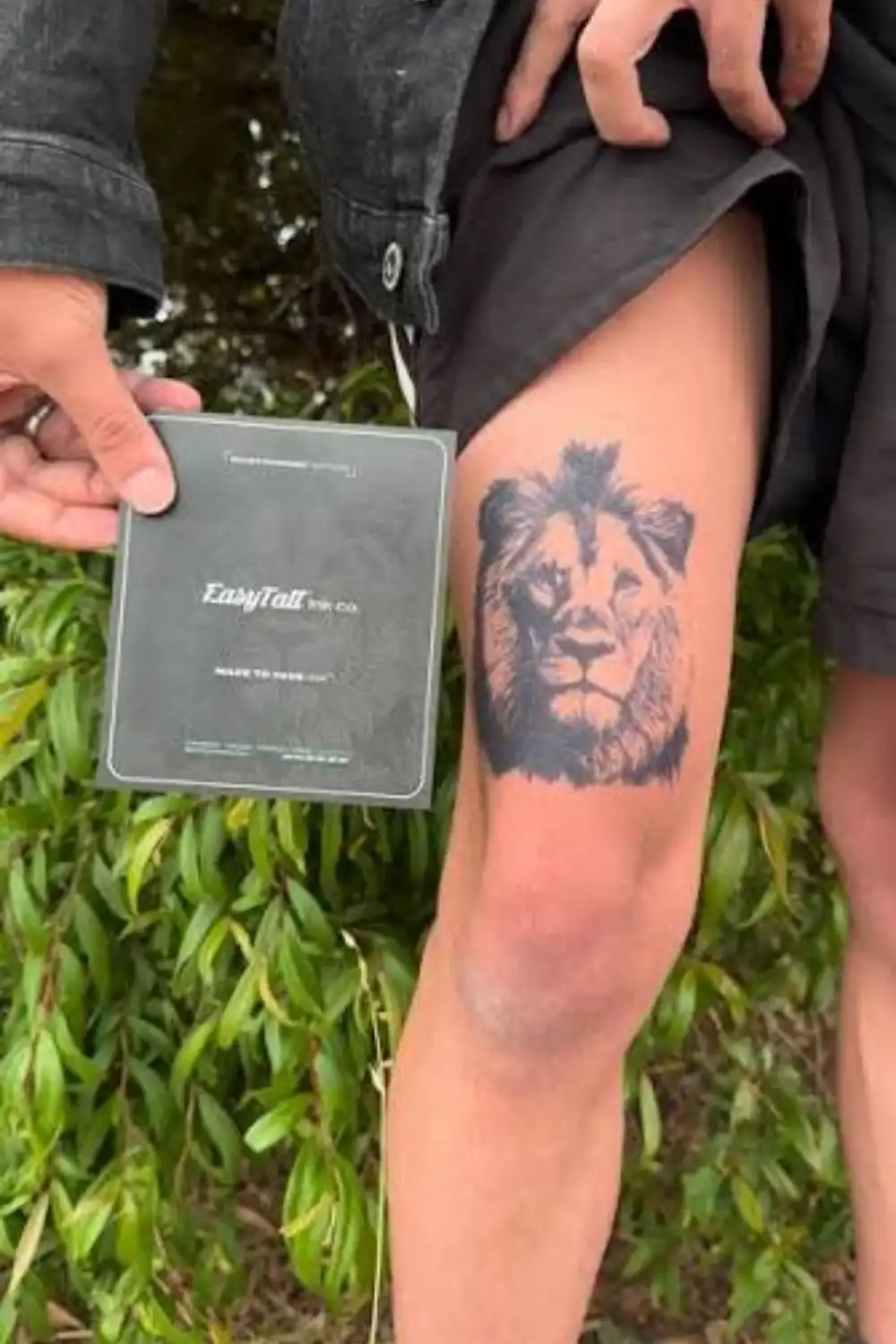
Are temporary tattoos safe when they are plant-based? Not automatically, so check the ingredient list and patch test first. Plant-based semi-permanent tattoos like EasyTatt’s use juice from the Genipa americana fruit, which the brand says stains the top skin layer over 24 to 48 hours.
EasyTatt says its ink is considered safe for most people when used as directed on healthy, intact skin, and it recommends a patch test. That is the brand’s own claim. Independent government or regulator evidence on jagua used on skin was not found for this guide, and nothing here says FDA has approved it for that use. The brand also says a small patch test comes in every order, and EasyTatt’s official site lists free USA shipping over $85 as of October 6, 2026.
Related reading:
- A full ingredient list for the exact product you are ordering
- A patch test before you apply it to a larger area
- The stated duration, which EasyTatt gives as about 1 to 2 weeks
FAQs
Are temporary tattoos safe on the face or around the eyes?
FDA says decal tattoos are used on the face, including around the eyes, and suggests trying one on a less conspicuous spot first. FDA has received reaction reports for some decals.
Are temporary tattoos safe when they come from online marketplaces or overseas sellers?
Not always. FDA has an import alert for foreign-made decals with unpermitted colors or no ingredient list, but not every imported shipment is inspected, so check the label before applying.
Are temporary tattoos safe at fairs, boardwalks and festivals?
Products used only by professionals need no ingredient list, and state oversight varies, so you may not be able to check the ink. Avoid anything sold as “black henna.”
How long after applying can a reaction to a temporary tattoo appear?
A 2013 report on an FDA Consumer Update said reactions to black henna tattoos can appear right away or up to 2 to 3 weeks later. Report any reaction to FDA.
Can a “black henna” tattoo affect hair dye safety later?
The 2015 news report on the British Skin Foundation survey says PPD on the skin can cause lifelong sensitivity to hair dyes. FDA notes PPD is a hair dye ingredient that can cause dangerous skin reactions.
Are temporary tattoos safer than real tattoos?
Surface temporary tattoos are not injected, but FDA still reports reactions to some. For needle tattoos, FDA says no color additives are approved for that use and some people have had permanent disfigurement.

Long has spent 7+ years running Google and Meta ad campaigns for e-commerce brands, which means he's watched thousands of shoppers abandon carts over a coupon field that wouldn't accept anything. He built SmartCartCodes to fix that. Every code listed here is checked against the merchant's live checkout before it's published, and anything that stops working gets pulled — not buried. He works directly with brands and affiliate networks across the US, UK, and EU.