
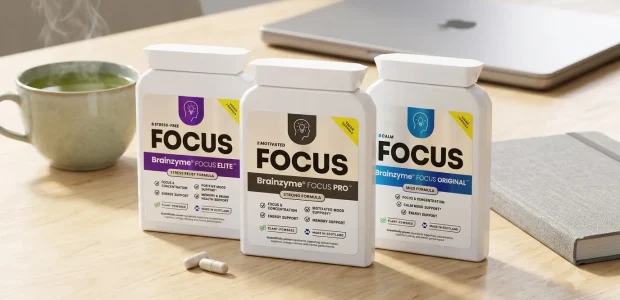

Brainzyme, a UK plant-based nootropic supplement brand, isn’t a clinical treatment for ADHD, though its FOCUS formulas contain ginkgo biloba and L-theanine, two ingredients with limited but real research behind attention support. The company markets its capsules directly at people with ADHD, and plenty of customer reviews back that framing up, but the clinical evidence sits well behind the marketing copy, and it’s worth knowing the gap before you buy.
What Brainzyme’s FOCUS Range Actually Contains
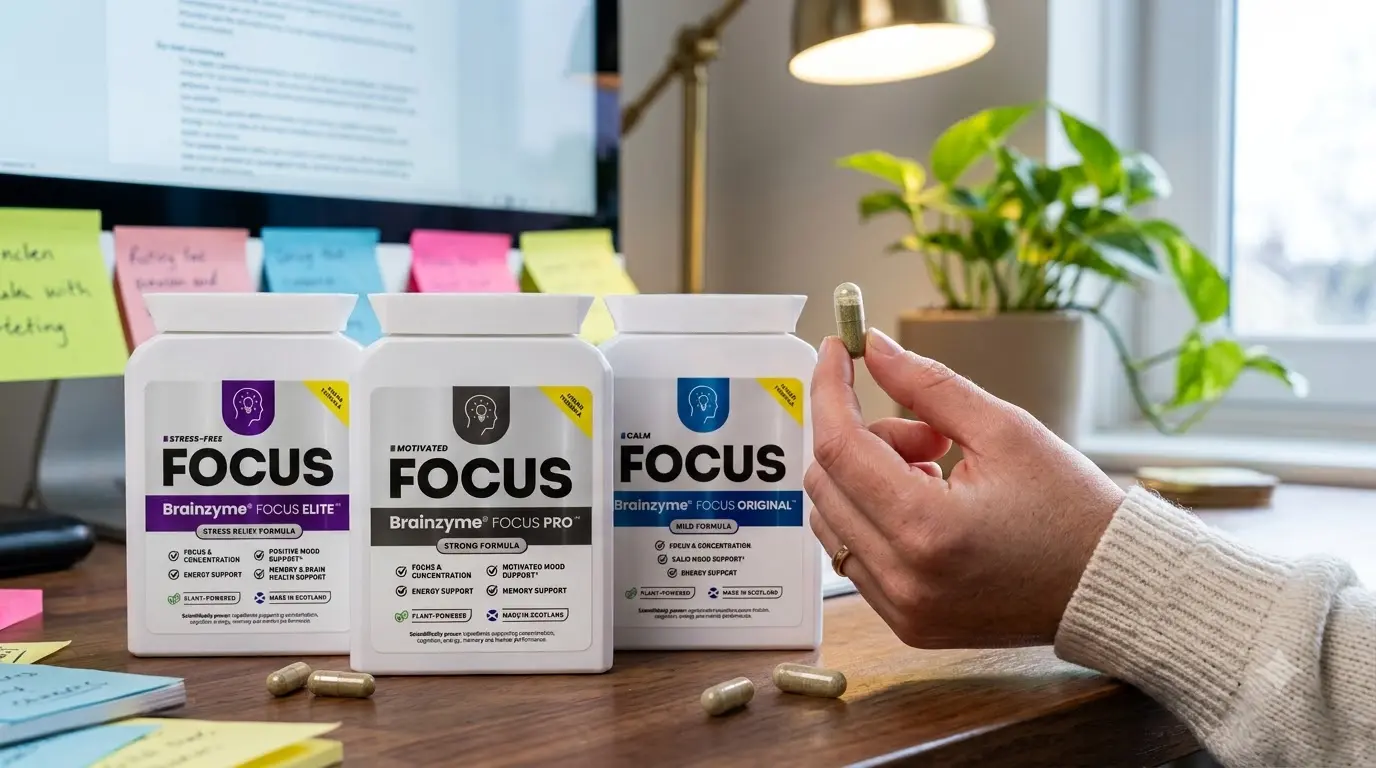
Brainzyme sells three capsule formulas rather than one general product. FOCUS ORIGINAL is built around B vitamins, choline, and a matcha and L-theanine blend the brand calls its EMT blend. FOCUS PRO adds L-tyrosine, ginkgo biloba, and guarana, aimed at what the brand calls dopamine-pathway support. FOCUS ELITE goes further with maca root, Panax ginseng, turmeric, and a live culture, positioned around stress and mood alongside focus. Brainzyme describes FOCUS PRO as containing 20 active ingredients total, which is a brand claim worth noting rather than an independent count.
What the Research Actually Shows About These Ingredients and ADHD
This is where the honest picture diverges from the marketing. Ginkgo biloba has been tested directly in children with ADHD in a handful of small randomized trials. Results are mixed: some found it reduced inattention meaningfully, though consistently less effectively than methylphenidate, the standard stimulant medication; other trials found no significant improvement at all. L-theanine has shown some benefit for sleep efficiency in ADHD populations, but not for other sleep measures, and its attention benefits mostly show up when it’s paired with caffeine rather than taken alone.
Caffeine by itself hasn’t shown a significant benefit for ADHD symptoms in these studies. A recent systematic review covering all four of these compounds landed on a blunt conclusion: supplements have a role as a complementary option under clinical guidance, but their limited effect doesn’t come close to replacing the well-documented efficacy of stimulant medication for ADHD.
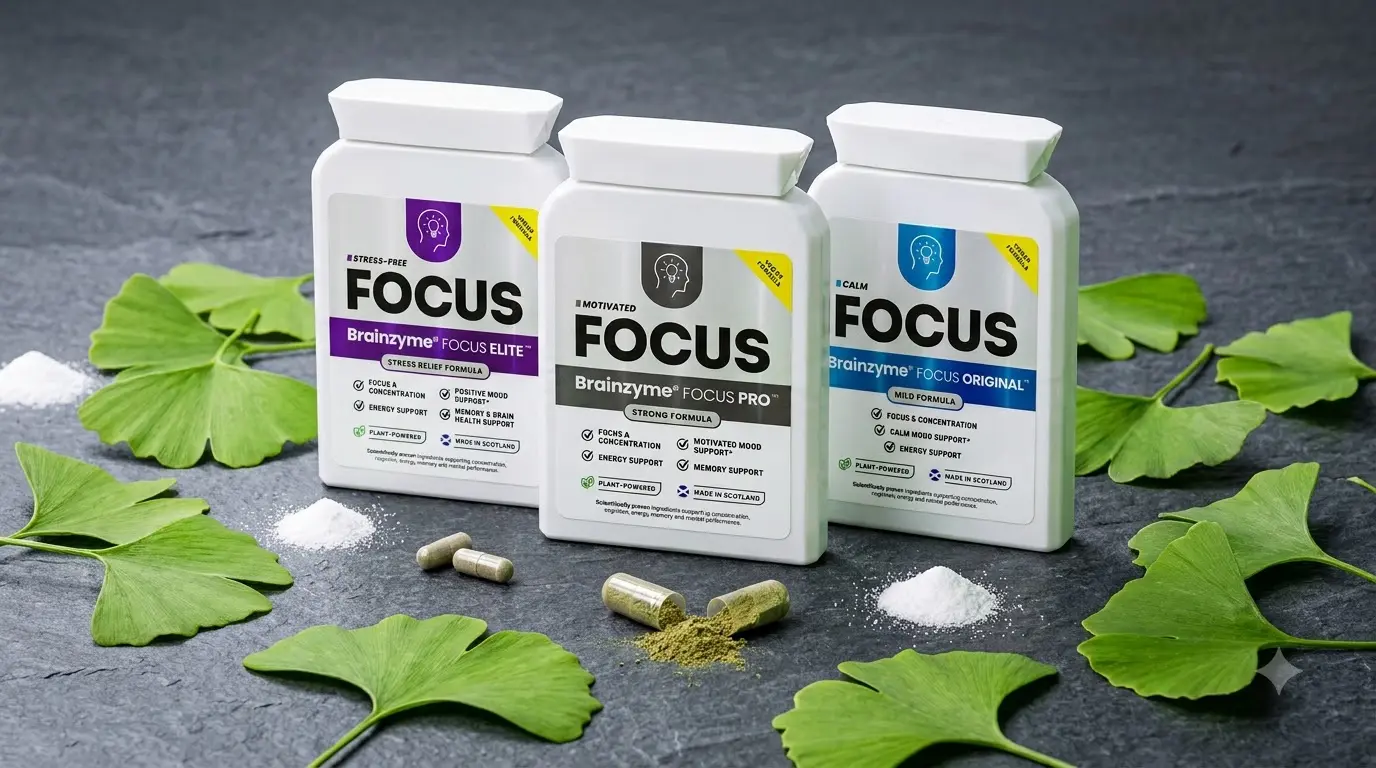
None of the studies above tested Brainzyme’s actual finished formula. They tested the individual compounds in isolation, often at different doses than what’s in a Brainzyme capsule. That’s an important distinction: the ingredients have some evidence behind them, but the branded blend itself hasn’t been through that process.
How Brainzyme Markets Itself for ADHD
Brainzyme runs pages and product bundles specifically targeting ADHD, and its customer reviews section includes people describing real, positive experiences: better focus, calmer days, less reliance on coffee. That’s genuine anecdotal signal, and it’s not nothing. But testimonials are self-selected and unblinded, which is a different category of evidence than a controlled trial.
Brainzyme frames its supplements as helping people “manage” ADHD symptoms naturally, a claim that leans heavily on those reviews rather than on trials of the finished product. Reading the testimonials as real experiences from real customers, rather than as proof the formula works for ADHD specifically, is the more accurate way to weigh them.
Taking Brainzyme Alongside ADHD Medication
If you’re already on prescribed ADHD medication, Brainzyme states you can take its capsules alongside it, since the ingredients are plant, vitamin, and mineral based and classified as food rather than a drug. The brand recommends leaving roughly a two-hour gap between the supplement and any medication, and starting with a single capsule to see how you respond before moving to a full dose.
That guidance is reasonable as a starting point, but it isn’t a substitute for checking with the doctor who prescribed your medication, particularly since supplement-medication interactions aren’t something a brand’s own FAQ page can fully rule out for your specific situation.
Who Might Reasonably Try It, and Who Shouldn’t
If you’re dealing with everyday lapses in focus, brain fog, or low mental energy that haven’t been formally diagnosed as ADHD, trying a formula built around B vitamins, choline, and ginkgo is a low-risk experiment, especially backed by Brainzyme’s 365-day return window.
If you already have a diagnosed ADHD, the more defensible use case is as a complementary add-on you discuss with your prescriber, not a replacement for your treatment plan. If your focus problems trace back to poor sleep, medication side effects, or something else undiagnosed, no capsule count fixes that, and it’s worth ruling those out before spending money on a supplement.
Ways to Save If You Decide to Try It
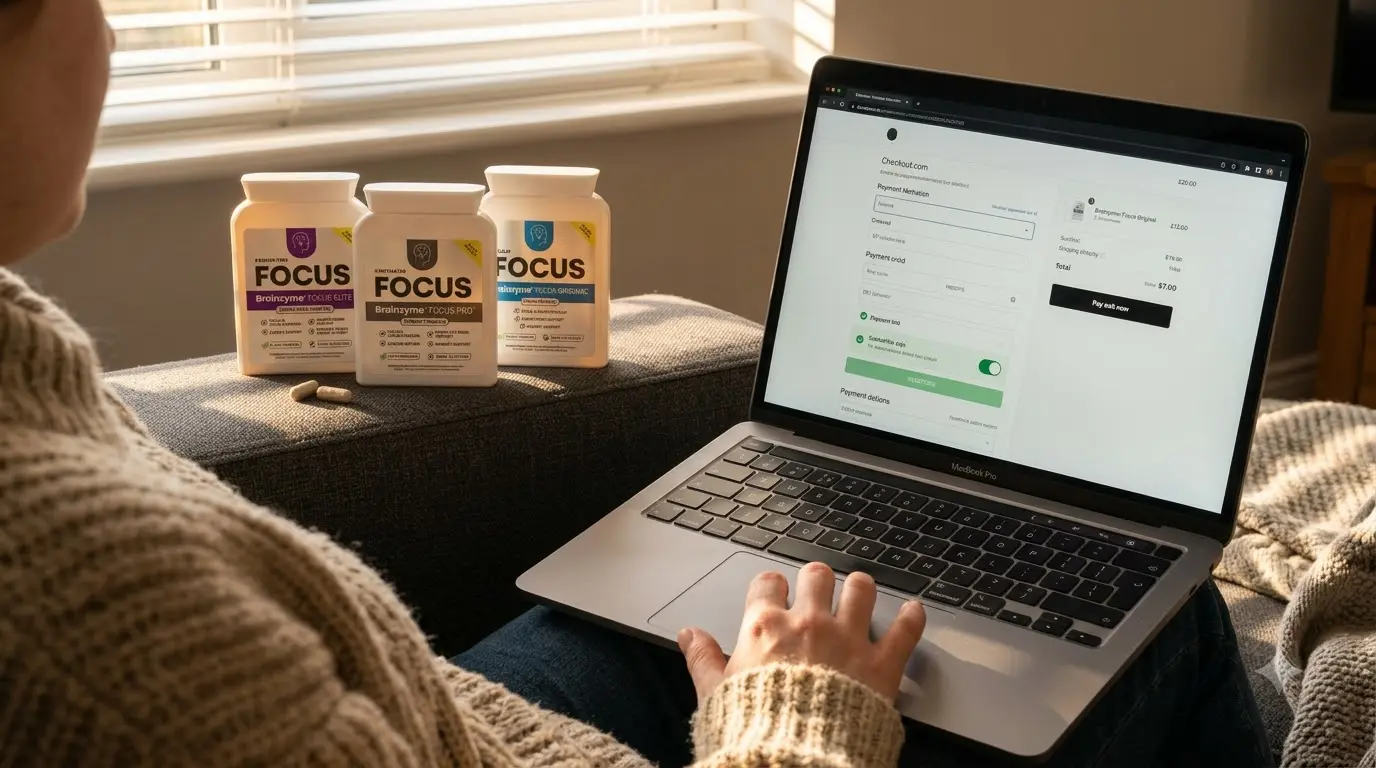
Subscribing to Brainzyme gets you 16 percent off your first order and every order after that, and stacking a subscription with a 3-month or 6-month multi-buy pushes the total discount toward 33 percent. As of September 13, 2026, Brainzyme’s own site also lists the code WELCOME10 for 10 percent off a first order outside the subscription model, and there’s a standing loyalty program that converts purchase medals into cash vouchers on future orders.
Third-party coupon sites list other codes for Brainzyme from time to time, but their availability shifts often and wasn’t independently confirmed at checkout for this article, so checking SmartCartCodes’ current Brainzyme listings before you buy is the more reliable way to catch whatever’s actually live.
A Few More Questions
Is Brainzyme approved to treat ADHD?
No. Brainzyme is regulated as a food supplement, not a medicine, in the UK, US, and EU. Supplement makers generally can’t legally claim to treat or cure a diagnosed medical condition, which is why Brainzyme’s language centers on “managing symptoms” and customer experience rather than clinical approval.
Can Brainzyme replace my ADHD medication?
No, and Brainzyme doesn’t claim it can either. The research on its key ingredients, including ginkgo biloba, shows they work less effectively than stimulant medication even in the best-case study results. Stopping or changing prescribed medication is a conversation to have with your prescriber, not a decision to make around a supplement.
How long before I’d notice a difference?
Reviewers commonly report noticing something within the first one to three weeks, though the clinical trials on ginkgo biloba ran for several weeks before showing measurable changes in attention scores. Judging it off a single day is unlikely to give an accurate read either way.
If you’re weighing this because a formal diagnosis feels like a bigger step than you’re ready for, that’s worth sitting with directly rather than treating a supplement as a workaround. A capsule can reasonably support a day that’s already going okay. It’s a much shakier tool for a focus problem serious enough that you’re already searching for ADHD-specific solutions, and that’s the point where a conversation with a doctor tends to be worth more than another product.
This touches on ADHD, a diagnosed condition, so it’s worth flagging directly: this article is general information, not medical advice, and isn’t meant to guide treatment decisions for anyone’s specific situation.
Last update: 13.09.2026

Long has spent 7+ years running Google and Meta ad campaigns for e-commerce brands, which means he's watched thousands of shoppers abandon carts over a coupon field that wouldn't accept anything. He built SmartCartCodes to fix that. Every code listed here is checked against the merchant's live checkout before it's published, and anything that stops working gets pulled — not buried. He works directly with brands and affiliate networks across the US, UK, and EU.