
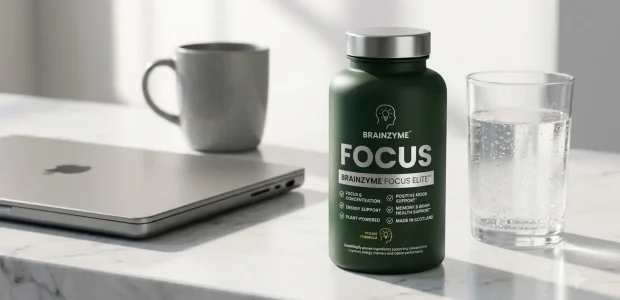

Yes, in a limited way: Brainzyme’s focus formulas work mainly because of caffeine and L-theanine, not proprietary magic. Brainzyme is a UK nootropic brand selling focus capsules like Focus, Focus Pro, and Focus Elite, and its marketing leans hard on the phrase “scientifically proven.” That phrase deserves a closer look before you spend money on a bottle.
What’s Actually in Brainzyme’s Focus Formulas
Brainzyme doesn’t sell one product, it sells four strength levels built around the same basic idea, and the ingredient list changes depending on which one you buy.
- Focus (Original): the lightest formula, built around a modest amount of natural caffeine plus L-theanine, B vitamins, and vitamin C.
- Focus Stress-Free: a similar base, positioned as a calmer, lower-stimulation option for people who find the regular version too intense.
- Focus Pro: a stronger caffeine dose plus additions like choline and L-tyrosine, aimed at longer, more demanding days.
- Focus Elite: the premium tier, adding lion’s mane mushroom, gotu kola, and ginkgo biloba on top of the caffeine and L-theanine base, along with iron.
The exact milligram amounts differ by product and change over time, so the supplement facts panel on the bottle you actually buy is the only fully reliable source, not a general description like this one.
Which Ingredients Have Real Evidence Behind Them (and Which Don’t)
Two ingredients in Brainzyme’s formulas, caffeine and L-theanine, have real trial evidence behind them for attention. Most of the rest lean on general nutrition science or early-stage research.
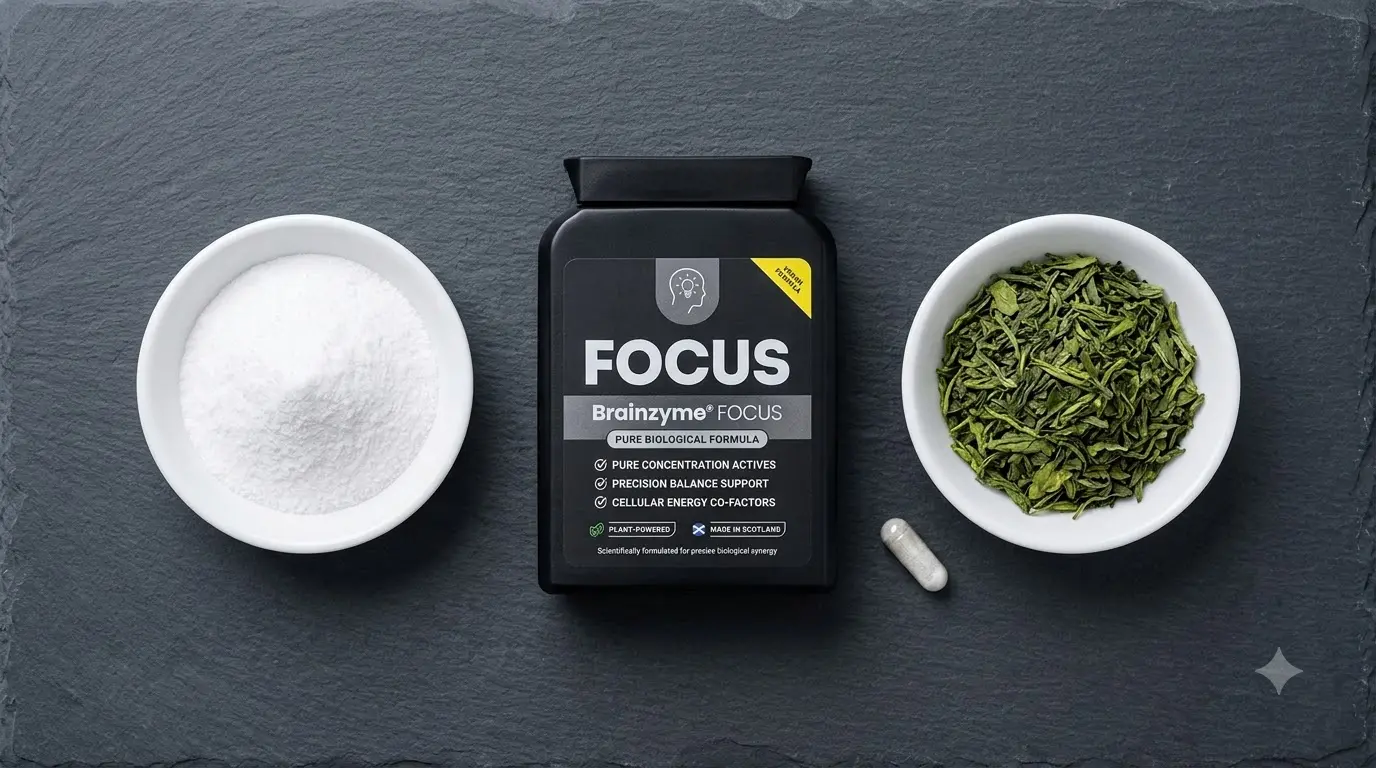
Caffeine’s effect on alertness and reaction time is about as well established as supplement science gets. What’s more specific to Brainzyme’s approach is the caffeine plus L-theanine pairing. A randomized, placebo-controlled trial published in the journal Appetite found this combination improved performance on an attention-switching task compared with placebo. More recent research, including a 2025 double-blind study in the British Journal of Nutrition, found the same pairing improved selective attention and reaction time in sleep-deprived adults, with brain-wave recordings backing up the behavioral results.
| Ingredient | What it’s supposed to do | Evidence for focus in healthy adults |
|---|---|---|
| Caffeine | Raise alertness, speed reaction time | Strong and well established |
| L-theanine (with caffeine) | Reduce jitteriness, support sustained attention | Strong for the combination, backed by several controlled trials |
| Ginkgo biloba | Support memory and circulation | Weak and inconsistent in healthy adults |
| Lion’s mane, gotu kola | Nerve support, calm focus | Early and preliminary, not well studied for focus specifically |
| B vitamins, vitamin C | Support normal energy metabolism | Solid nutrition science, but mainly helps if you’re actually low on them |
| Iron (Focus Elite only) | General nutrient top-up | Not something most adult men or postmenopausal women need more of |
Ginkgo biloba is the ingredient doing the most marketing work and the least evidentiary work. The U.S. National Center for Complementary and Integrative Health states there is no conclusive evidence it prevents or slows cognitive decline, and a systematic review of controlled trials in healthy people found no consistent positive effect on objective measures of cognitive function, concluding that ginkgo could not be recommended as a cognitive enhancer based on the evidence available.
None of this means Brainzyme’s finished formulas have been clinically tested as a product. We couldn’t find a published trial on the Brainzyme blend itself, only on its individual ingredients. That’s common across the supplement industry, but it’s worth knowing before you treat “scientifically proven” as a claim about the exact pill you’re swallowing rather than about the ingredients inside it.
What Real Users Say About Whether It Works, and Why That’s Not Quite Proof
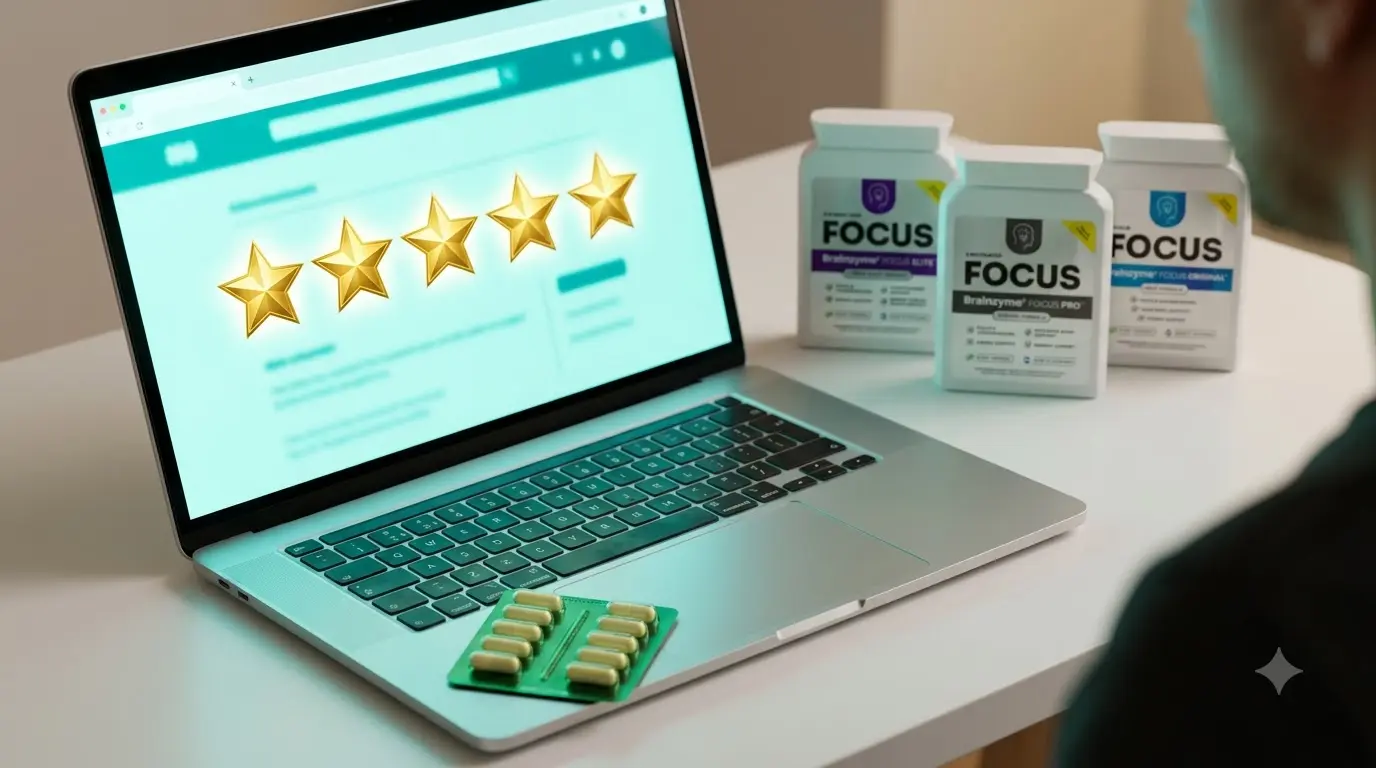
Brainzyme carries a strong Trustpilot record, a TrustScore around 4.8 out of 5 from more than 1,100 reviews as of early 2026, with most reviewers describing steadier focus and less brain fog rather than a dramatic transformation.
Recurring themes in the reviews include people using it to get through long shifts, manage brain fog linked to menopause, or stay on task while studying. Several reviewers who mention having ADHD describe it as a noticeable, if not miracle-level, aid alongside their usual routine. The most common complaints aren’t about whether it works, they’re about customer service response times and delivery logistics.
An independent 30-day test of Brainzyme Elite, published by a nootropics review site, landed on a more measured 3.3 out of 5. That reviewer liked the caffeine source (whole coffee fruit extract) and the inclusion of lion’s mane and gotu kola, but flagged that some doses, ginkgo biloba in particular, sat below the levels used in clinical research, and questioned why iron was added to a formula most buyers don’t need it in.
Trustpilot reviews are useful for spotting patterns, but they’re self-selected, unblinded, and can’t rule out placebo, caffeine tolerance, or simply paying closer attention to your focus because you started tracking it. They’re evidence of satisfaction, not evidence of a specific cognitive effect.
Who’s Likely to Feel a Difference, and Who Probably Won’t
Brainzyme is most likely to help people who already respond well to caffeine but want a steadier version of it, and least likely to help people expecting it to replace medical treatment or work without any real caffeine sensitivity.
Likely to notice something:
- You currently rely on coffee or energy drinks for focus and want less of the jittery crash
- You need a few hours of sharper attention for shift work, studying, or deadline-heavy days
- You haven’t built up a high caffeine tolerance, since the effect leans heavily on caffeine plus L-theanine
Probably not worth it:
- You’ve been diagnosed with ADHD and are looking for a replacement for prescribed treatment rather than a mild supplement alongside it
- You’re pregnant, breastfeeding, or have a heart or blood pressure condition affected by caffeine
- You’re a man or postmenopausal woman without a diagnosed iron deficiency, since Focus Elite adds iron you likely don’t need
- You already drink several coffees or take a pre-workout daily, since you’re closer to a caffeine ceiling than a caffeine gap
How to Take It Without Wasting Money or Overdoing Caffeine
The safest way to test Brainzyme is to start low, track your total daily caffeine, and give your body scheduled breaks rather than jumping straight to the strongest formula.
- Start with Focus or Focus Stress-Free rather than Pro or Elite, so you can gauge your personal caffeine sensitivity before stepping up.
- Add up every source of caffeine you already consume, coffee, tea, energy drinks, pre-workout, before deciding whether a stronger formula makes sense.
- Take it earlier in the day. Reviewers who took it in the afternoon or evening were more likely to report disrupted sleep.
- Give yourself at least one lower-dose or caffeine-light day a week. Brainzyme’s own support team has suggested this kind of rotation to customers who felt the effect wearing off.
- Judge it over two to three weeks, not one dose, since slower-acting ingredients like lion’s mane and gotu kola tend to build up rather than hit instantly, and check with a doctor first if you’re pregnant, on medication, caffeine-sensitive, or have a condition affected by iron intake.
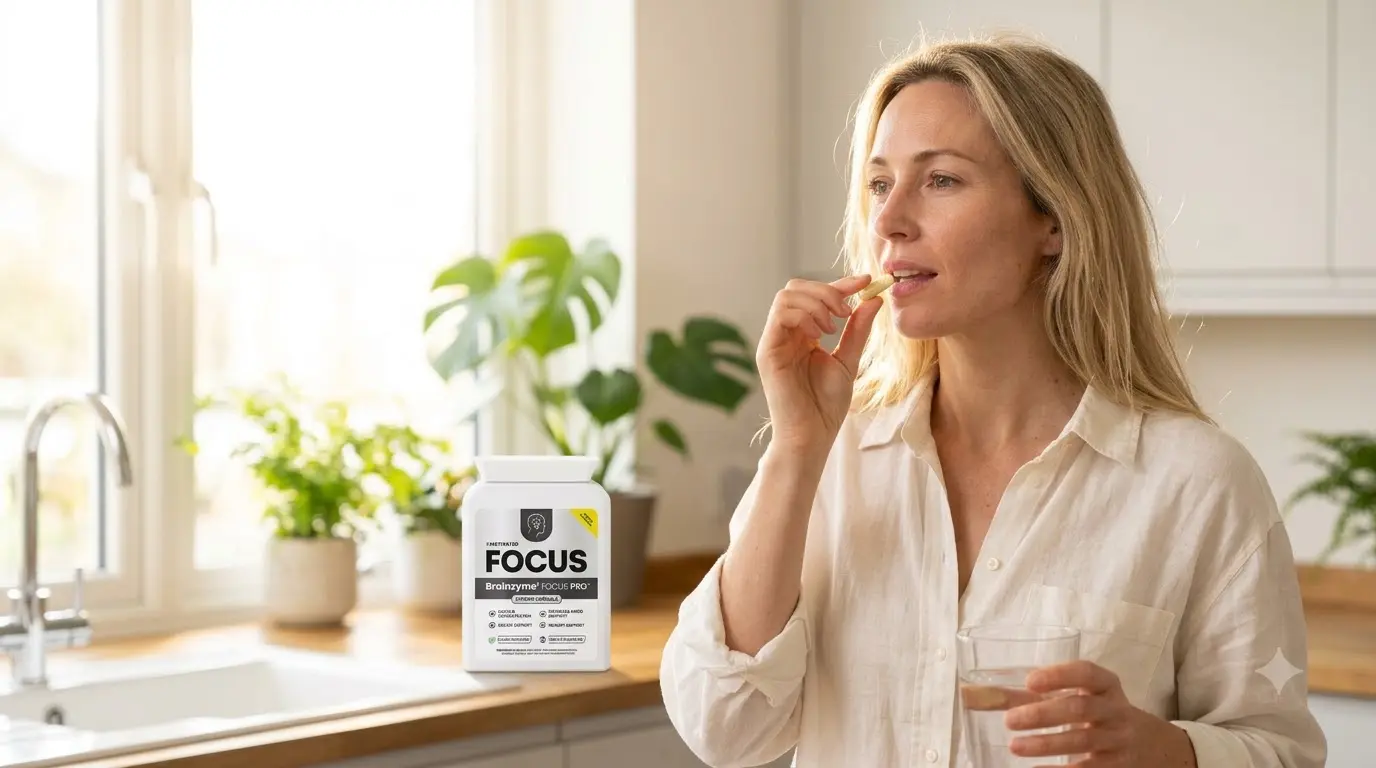
Brainzyme vs. Buying Caffeine and L-Theanine Yourself
If the caffeine and L-theanine combination is doing most of the work, buying those two ingredients separately will almost always cost less per dose than a branded blend like Brainzyme.
Brainzyme’s premium Focus Elite runs about £47, roughly $60, per bottle, according to an independent product review, putting it in the mid-to-upper price range for UK nootropics. Standalone caffeine and L-theanine, bought as basic supplements, typically cost a small fraction of that per serving, though you lose Brainzyme’s UK manufacturing standards and the extra ingredients like lion’s mane, gotu kola, and B vitamins bundled into the formula.
The honest trade-off is convenience and formulation versus price. If you mainly want the well-evidenced part, caffeine plus L-theanine, and don’t care about the extras, a basic stack is the cheaper route. If you want a single UK-made capsule with added ingredients and don’t mind paying for that convenience, Brainzyme’s core value proposition holds up reasonably well, just not because of ginkgo or “proprietary science.”
Brainzyme is a reasonable pick if you already know caffeine helps your focus and you want a steadier, less jittery version without building your own stack from separate bottles. It’s a weak pick if you’re chasing a fix for diagnosed ADHD, you’re already near your daily caffeine limit, or you fall into the group, most adult men and postmenopausal women, who don’t need the added iron in Focus Elite. Whichever formula you’re considering, it’s worth checking the current price and any active discount before you buy, since the strength tiers vary enough in cost that the “worth it” answer can shift with the deal. We keep current Brainzyme discount codes updated here at SmartCartCodes if you want to compare prices before deciding which tier fits your budget.
Last updated: September 13, 2026

Long has spent 7+ years running Google and Meta ad campaigns for e-commerce brands, which means he's watched thousands of shoppers abandon carts over a coupon field that wouldn't accept anything. He built SmartCartCodes to fix that. Every code listed here is checked against the merchant's live checkout before it's published, and anything that stops working gets pulled — not buried. He works directly with brands and affiliate networks across the US, UK, and EU.